Culture
The biggest challenges women face in the gaming world
Dec 8, 2025
More women are participating in video games, but the gender gap remains unclosed. What are the main challenges, and what should women keep in mind if they want to jump into this field?
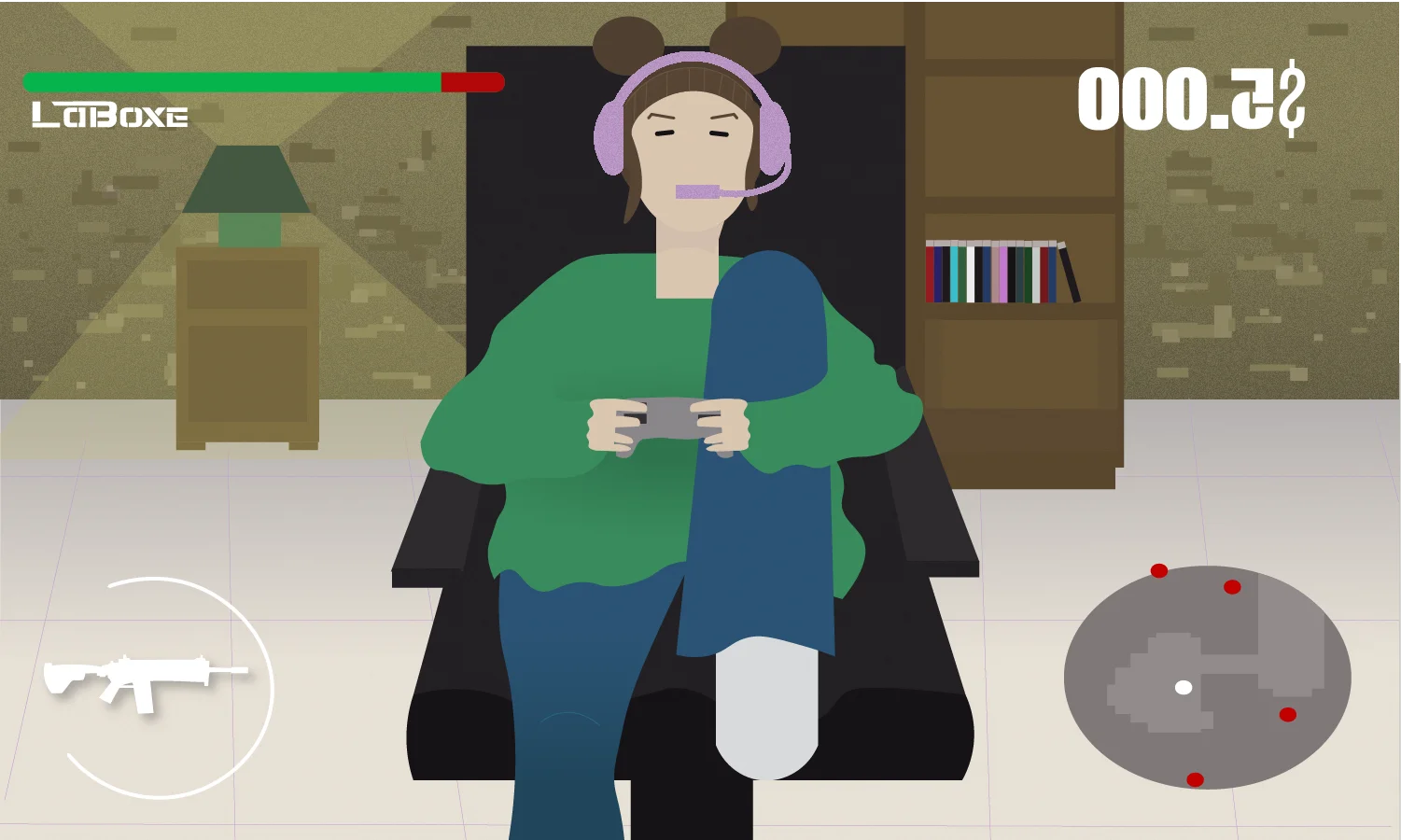
Video games are becoming more popular than ever in the country, with tons of people spending a chunk of their time gaming. While the industry keeps growing and thriving, there are still some hurdles that women haven't been able to get past yet.
Interest in video games is definitely on the rise. Over 1,500 people took part in the third edition of the BA Gaming Cup, which has been happening every year in Buenos Aires since the post-pandemic era. That’s double what official stats from the Argentine Video Game Developers Association (ADVA) and the Argentine Electronic Sports Association (DEVA) show. They estimate there are more than 19 million gamers in Argentina—almost 40% of the population—and that number keeps growing. However, even with all these new players, gaming spaces are still mostly filled with guys.
Women face a few challenges in the gaming world, especially when it comes to having the economic resources and access to play. According to the National Survey of Cultural Consumption, 26% of men participate in video gaming, in contrast to only 13% of women. When examining platform usage, it is noted that 10% of men engage in console gaming on a daily basis, whereas merely 2% of women do the same. However, a study conducted by the advertising agency Digital Turbine in 2022 revealed that women constitute 50% of mobile gamers. Additionally, it is noteworthy that Argentinian women are at the forefront of the mobile gaming sector in Latin America.
“Women have been the majority in the mobile gaming community for over 10 years now, and that trend is still going strong,” says Nahir Acuña, who is a Co-coordinator of Design Research at ADVA and a Professor of Interface Development for Video Games at the National University of Hurlingham (UNAHUR). She explains, “There’s this unfair stereotype that looks down on mobile gamers. A lot of people think you’re not really a 'gamer' if you play on your phone. There’s an unspoken ranking; for instance, if you have a powerful computer that can handle intense games or play League of Legends, you’re considered more of a 'gamer,' while someone who plays Candy Crush doesn't get the same respect”.
The biggest challenge in the industry right now is the economic situation. Nahir from ADVA points out that it’s mainly about money. The country’s economy isn't doing well, and costs are high, plus companies aren’t investing enough. Because of that, there aren’t many resources for marketing and sponsorship opportunities.
Another of the challenges in the gaming world is professional training. More women are getting into digital careers like programming, which is super important for making video games. Still, we’re not seeing much change in the industry itself when it comes to gender representation. Nahir points out, “These days, more women are interested in tech jobs like programming, but there are still way fewer women than men in the field; I notice it every day at work.”
In the professional and sports gaming world, it’s mostly guys leading the way. Sure, we’ve seen more women getting involved lately—as players, content creators, and even running their own businesses in gaming—but there’s still a long way to go. Nahir Acuña, who picked up gaming when she was just four years old, points out, “Women have always had a tough time being visible in this space. You can really see it at industry events where there aren’t many women around. And in my classes, it’s clear too: only three out of ten students are women; the rest are guys”.


