Opinion
Burnout syndrome and the symptoms of an unhealthy work culture
Dec 8, 2025
In an era where advancements in technology should enable people to work fewer hours and enhance efficiency, the current situation appears to be quite the opposite: individuals are working longer hours, receiving lower compensation, and experiencing increased levels of fatigue. It’s clear that this issue warrants immediate attention and cannot be overlooked any longer.
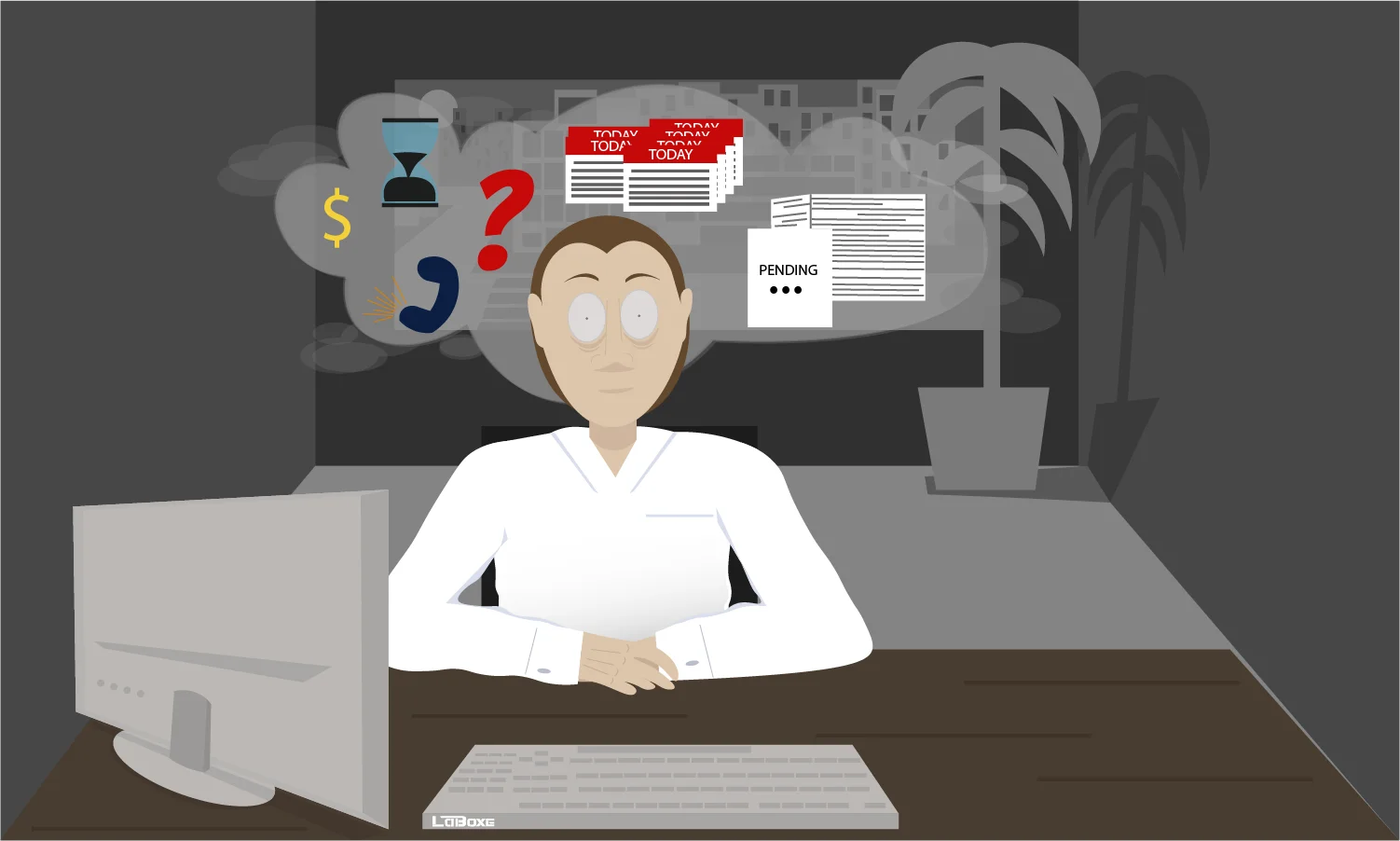
Recent studies show that about 91% of workers in Argentina are feeling burned out. This burnout comes with a bunch of symptoms like feeling drained, super tired, low on energy, trouble sleeping, and frequent headaches. These are all indications that this silent epidemic affecting the mental health of workers globally has reached the country
Hybrid work has become a lot more common since the pandemic, giving employees a bit more flexibility. But there’s a downside: a lot of folks are now juggling heavier workloads that often go beyond what their contracts say. Many people working from home actually say they feel more stressed than when they were in the office.
“I work from home, and it's just chaos with all the emails I keep getting. They’re constantly asking me to send stuff, fix what someone else didn’t finish, and upload new data to the system. It’s a real mess,” says Micaela Lucini, a Data Science student who took a job at a company that doesn’t fully follow the rules of the Ley 27.555 de Teletrabajo (Law 27.555 on teleworking).
Moreover, there is little incentive for companies to pay extra for longer hours. Most of them don’t really think about that when figuring out salaries. Sure, how much people make can vary a lot based on their job, experience, and industry, but companies usually don't consider the extra effort that comes with working from home. Plus, the Teleworking Law says that remote workers should get the same pay as if they were working in the office. Unfortunately, this rule hardly ever gets enforced by employers.
Burnout syndrome is basically how our bodies react to the crazy demands of today’s work culture, which can really trap people in a non-stop, high-pressure routine. There are a lot of things making this problem worse, like work-related stress and some pretty harsh practices. Companies and governments need to step up and create a more balanced and rewarding work environment, where nobody has to deal with overwhelming stress and exhaustion. Workers should have access to resources that help them, give them some freedom, and allow them to thrive.
Workplace stress and new work practices are complicated topics, and there are a lot of questions about whether those in charge are really doing enough about them. Right now, workplace stress isn't even recognized as an occupational disease under the Argentinian Occupational Risks Law. That's why it's super important for lawmakers to get on board with the Bill for the Prevention, Early Detection, and Rehabilitation of Chronic Burnout Syndrome. This draft bill could really help tackle a growing problem that’s affecting so many workers in the country.


